
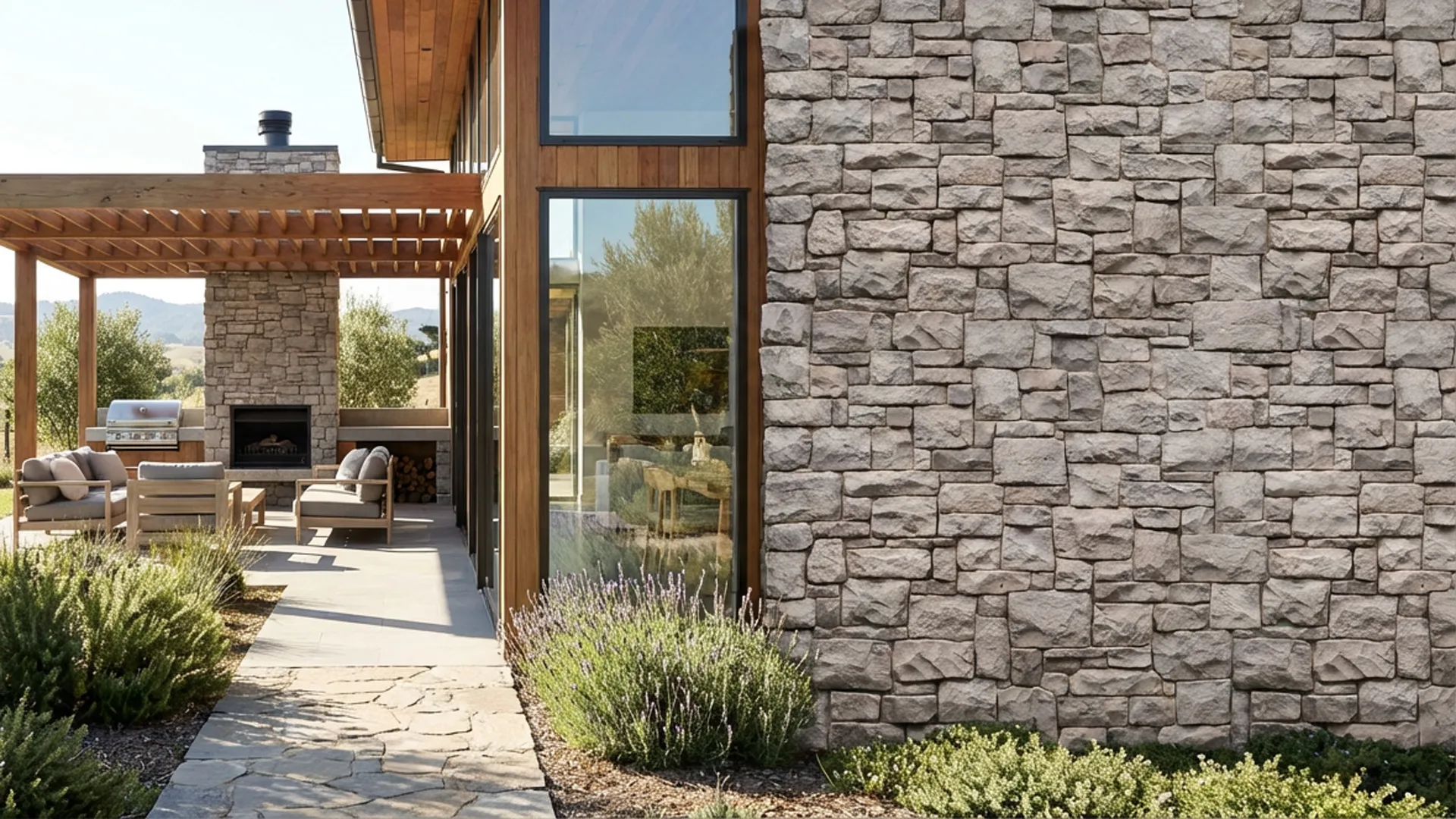
5 Mistakes to Avoid When Installing Stone Cladding
(Complete Guide for a Durable & Professional Result)
Stone cladding installation is one of the most effective architectural upgrades for both residential and commercial properties. Whether applied on exterior façades, garden walls, fireplaces, feature walls, or commercial buildings, natural and manufactured stone cladding adds texture, elegance, insulation benefits, and long-term property value.
However, despite its durability and timeless appearance, improper stone cladding installation can lead to structural instability, moisture problems, aesthetic inconsistencies, and expensive repairs.
To achieve a professional and long-lasting result, it is essential to understand the most common installation mistakes — and how to avoid them.
Below is a complete expert guide covering the five most critical stone cladding installation mistakes and the professional solutions for each.
1. Choosing the Wrong Type of Stone for the Application
One of the most common mistakes in stone wall cladding projects is selecting a material that is not suitable for the environment where it will be installed.
Not all natural stone materials perform the same. Some stones are porous and moisture-sensitive, while others offer high density, frost resistance, and low water absorption.
Exterior Stone Cladding Requirements
For outdoor applications, the stone must be:
- Weather-resistant
- Frost-resistant
- UV-resistant
- Low water-absorption
- Structurally durable
Exterior walls are exposed to rain, humidity, wind loads, pollution, and temperature fluctuations. Using interior-grade stone outdoors can result in cracking, erosion, discoloration, and eventual detachment.
Interior Stone Cladding Considerations
Interior applications offer more flexibility and allow for:
- Lightweight stone veneer
- Decorative finishes
- Split-face textures<
- More porous materials
However, humidity levels in bathrooms, kitchens, and fireplaces must still be carefully evaluated.
Choosing the correct stone cladding material ensures structural safety, durability, and long-term performance.
2. Poor Surface Preparation Before Installation
Surface preparation is the foundation of successful stone cladding installation. Skipping or rushing this step is one of the most costly errors.
The substrate must be:
- Clean and dust-free
- Structurally sound
- Completely level
- Dry and moisture-free
- Free from loose paint or debris
If the wall surface is uneven or contaminated, adhesive bonding strength is significantly reduced. Over time, this may lead to:
- Stone detachment
- Cracked mortar joints
- Water infiltration
- Structural instability
For exterior cladding systems, additional layers such as base coats, reinforcement mesh, primers, or cement boards may be required depending on the substrate type (concrete, brick, drywall, cement board).
Proper wall preparation dramatically increases installation lifespan and performance.
3. Using Incorrect Adhesives or Mortar
Stone cladding is heavy, especially when using thick natural stone panels. Using standard tile adhesive instead of high-performance stone mortar is a serious installation mistake.
Professional stone installers use:
- Polymer-modified mortars
- High-bond strength adhesives
- Flexible exterior-rated products
- Freeze-thaw resistant systems
Exterior stone cladding must withstand:
- Thermal expansion and contraction
- Moisture exposure
- Wind load pressure
- Structural movement
Low-quality adhesive systems may initially hold the stone, but long-term performance will fail due to cracking or bond loss.
Investing in the correct adhesive system ensures structural safety and long-term durability.
4. Ignoring Proper Layout, Joint Spacing & Alignment
Even premium natural stone can look unprofessional if installed without layout planning.
Common aesthetic installation mistakes include:
- Uneven joint spacing
- Poor alignment
- Random color clustering
- Inconsistent horizontal lines
- Lack of pattern balance
Before installation begins, professionals dry-lay the stone to organize color distribution, bonding patterns, and joint alignment.
Proper joint spacing provides:
- Structural flexibility
- Expansion accommodation
- Balanced visual rhythm
- Clean, professional finish
A rushed installation may save time, but it permanently affects the architectural impact of the wall.
5. Skipping Waterproofing and Sealing
Water infiltration is one of the biggest threats to exterior stone cladding systems.
Without proper waterproofing membranes and sealing, moisture can penetrate behind the stone and cause:
- Mold and mildew growth
- Efflorescence (white salt deposits)
- Adhesive failure
- Freeze-thaw cracking
- Structural wall damage
- Expensive long-term repairs
Waterproofing is critical for:
- Exterior façades
- Retaining walls
- Bathrooms
- Pool areas
- Coastal properties
Sealing natural stone also helps:
- Reduce staining
- Enhance natural color
- Prevent dirt absorption
- Increase surface durability
Proper waterproofing protects both the visible stone surface and the structural wall behind it.
Why Proper Stone Cladding Installation Matters
Stone cladding is not simply decorative — it is a long-term architectural investment.
When installed correctly, it offers:
- Increased property value
- Improved insulation performance
- Enhanced energy efficiency
- Fire resistance
- Long-term structural durability
- Minimal maintenance requirements
Improper installation, however, can completely undermine these benefits.
By avoiding these five common mistakes:
- Choosing the wrong stone
- Poor surface preparation
- Using unsuitable adhesives
- Ignoring layout planning
- Skipping waterproofing and sealing
You ensure that your stone cladding installation remains structurally safe, visually refined, and durable for decades.
If you are planning a stone cladding project, working with experienced professionals and using high-quality materials guarantees the best long-term results.