
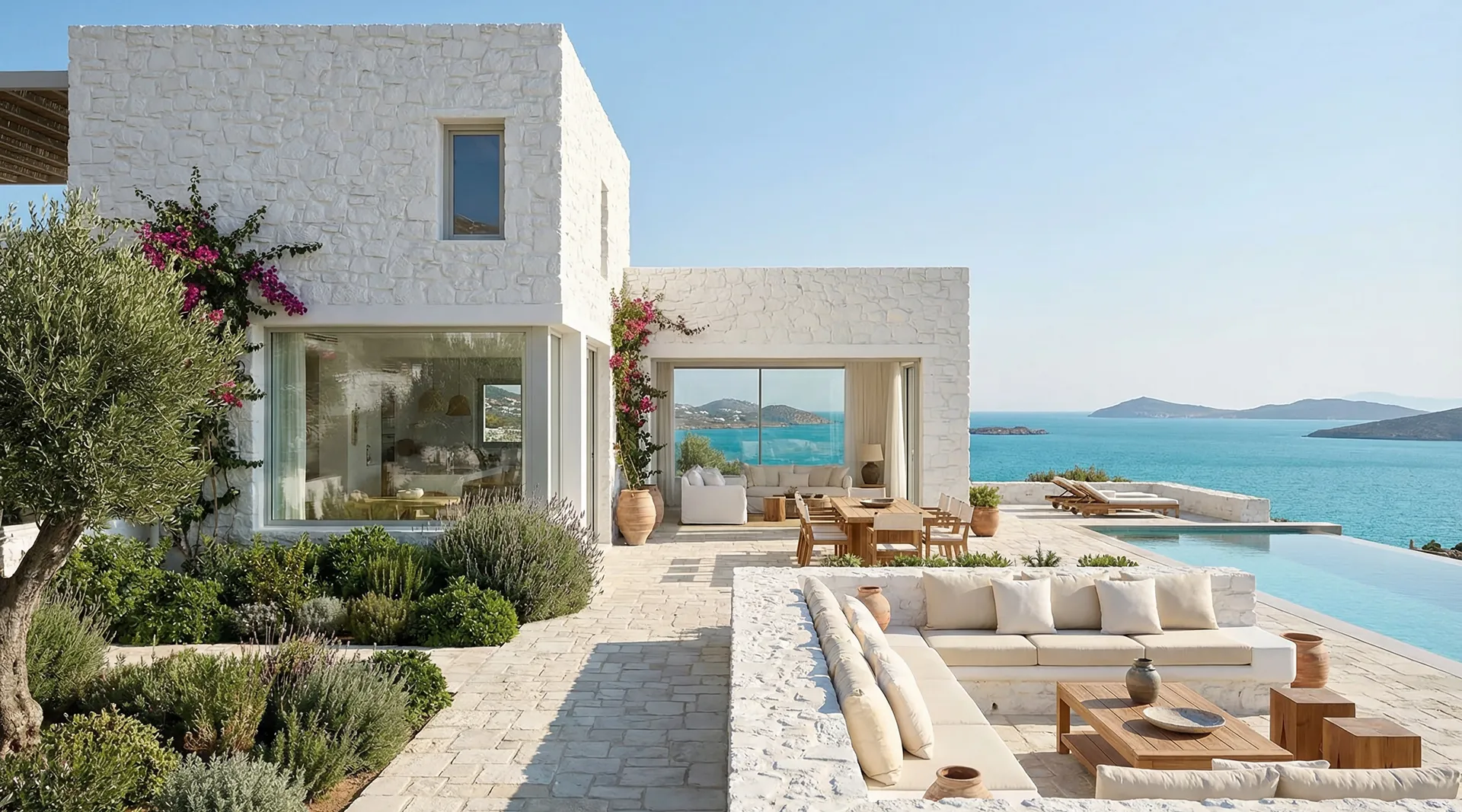
Decorative Stone in Modern Architecture: Trends, Applications & Design Value for Contemporary Projects
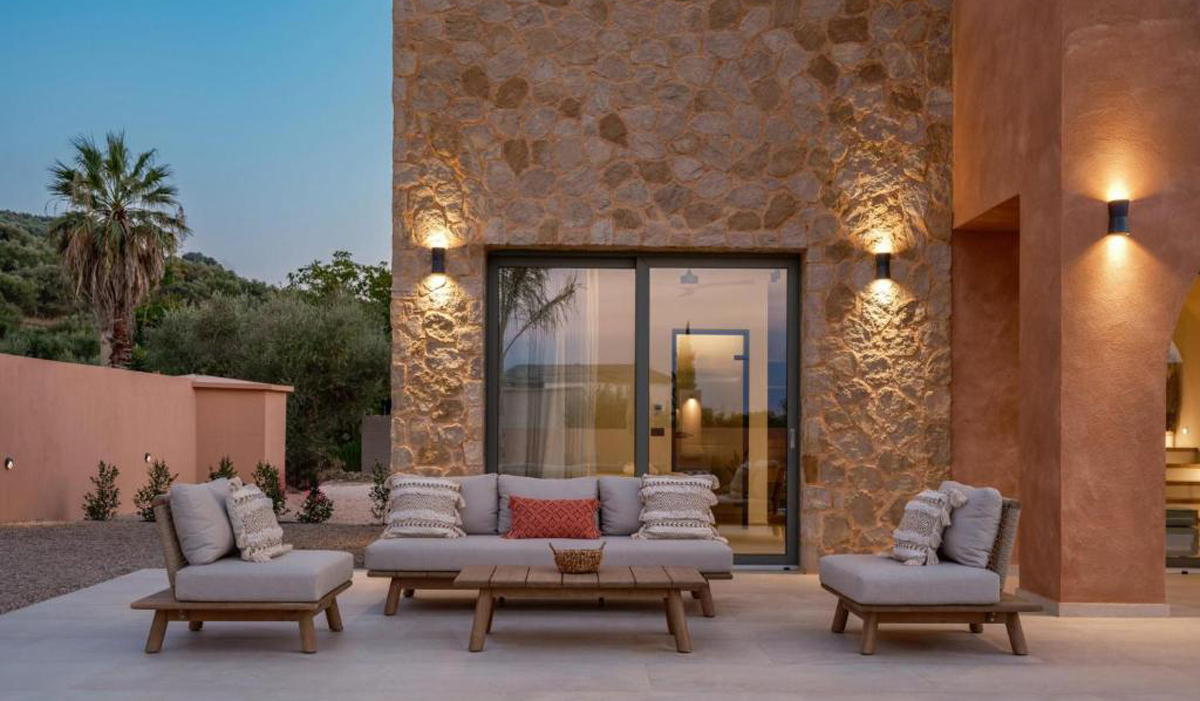
“Modern outdoor patio of a house with a stone façade, featuring a sofa and armchairs in neutral tones, next to a lit swimming pool at dusk.”
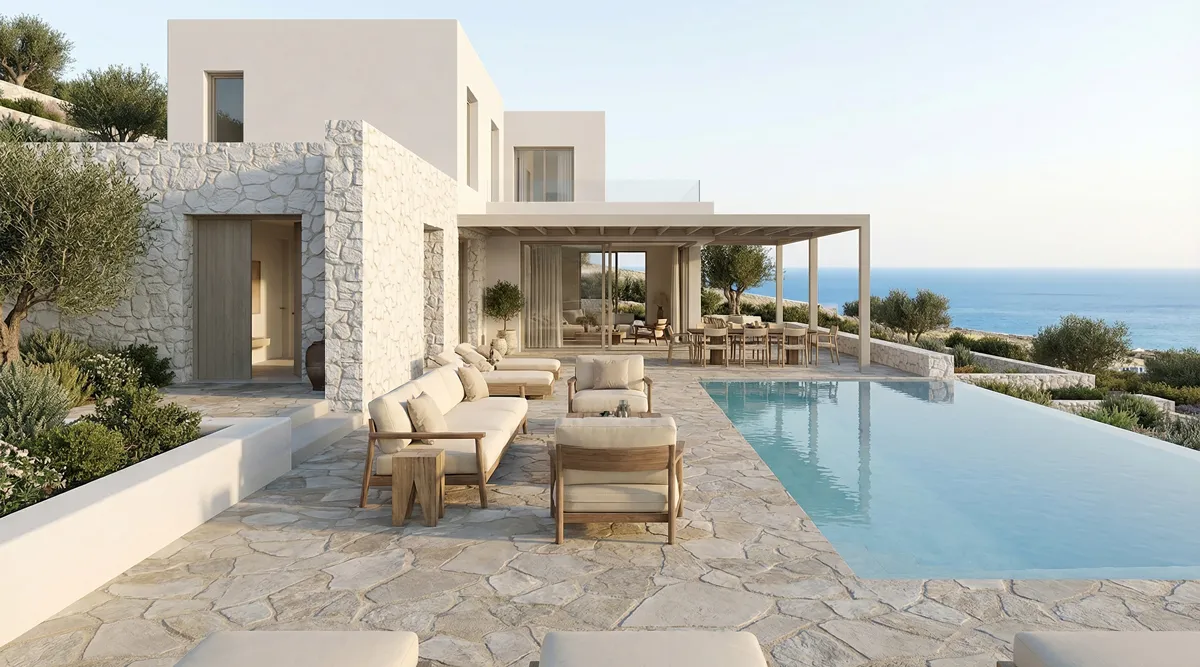
“Modern villa with traditional elements on a Greek island overlooking the sea”
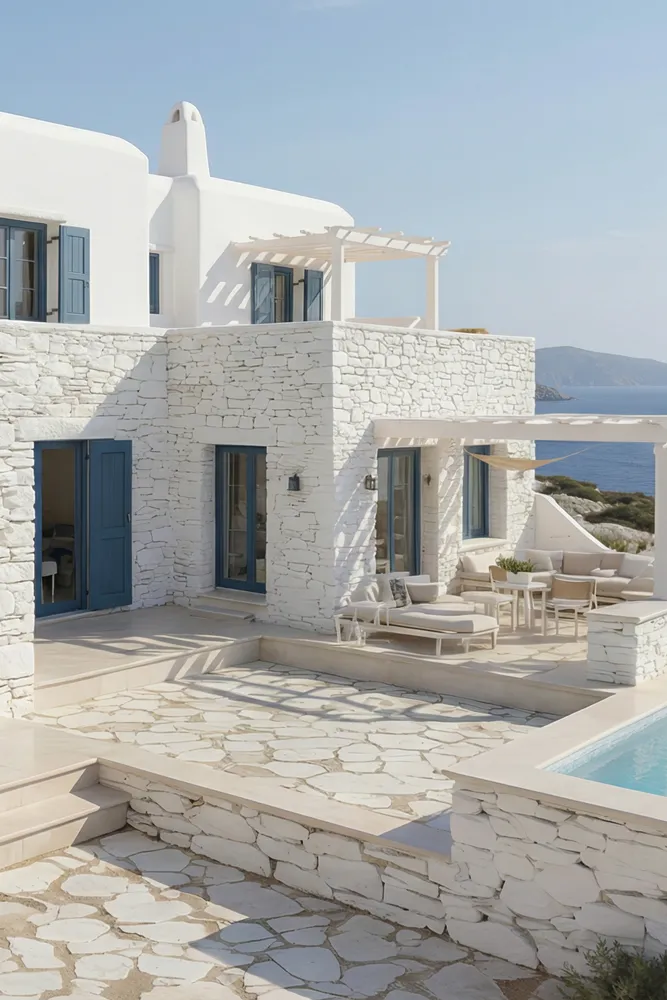
“Traditional house on a Greek island overlooking the sea, blending modern and traditional”
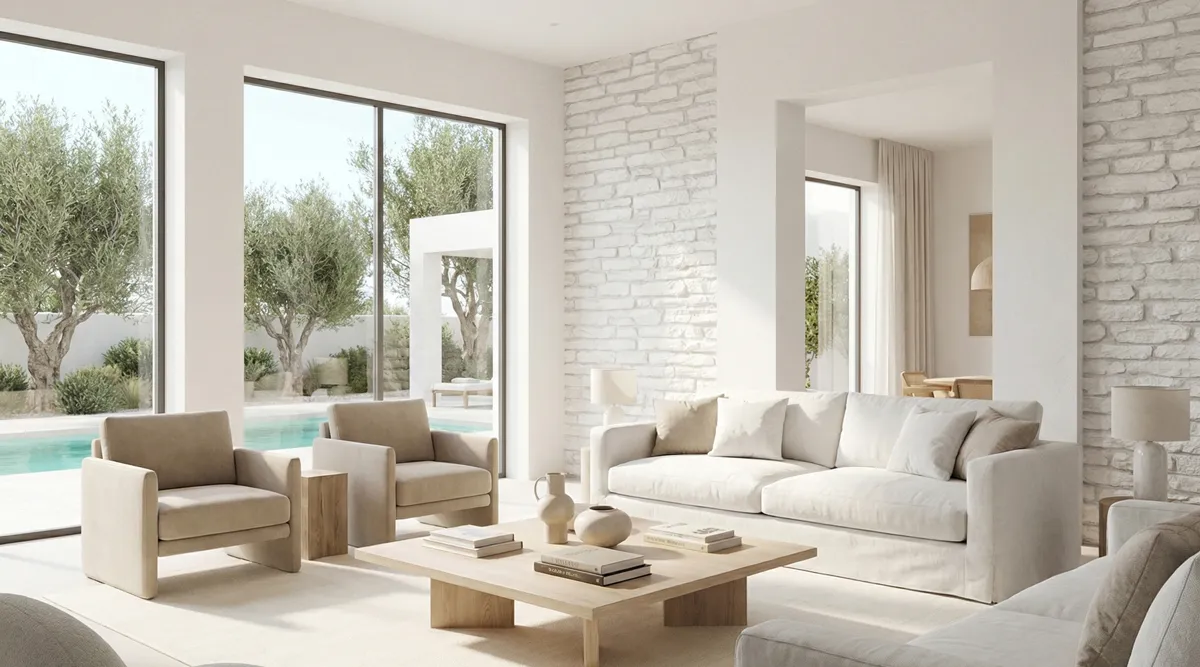
“Modern villa living room ominated by white color”
Introduction
In contemporary architecture, materials are no longer selected only for their functionality but for the experience they create. Decorative stone stands at the intersection of performance, sustainability, and timeless design.
For architects, developers, and designers who aim to deliver high-end projects with long-term value, decorative stone offers a unique combination of aesthetics, durability, and architectural flexibility
This guide explores how decorative stone is shaping modern architecture in 2026 and how it can elevate residential, hospitality, and commercial projects.
Why Architects Choose Decorative Stone
Timeless Aesthetic & Design Flexibility
Decorative stone brings authenticity to modern design. Its textures, tonal variations, and depth create surfaces that cannot be replicated by artificial materials.
From minimalist residences to large-scale hospitality projects, stone adapts to both bold and subtle architectural concepts.
Long-Term Durability
Unlike many industrial materials, decorative stone:
- withstands extreme weather conditions
- maintains its appearance over time
- requires minimal maintenance
This makes it ideal for façades, outdoor spaces, and high-traffic interior areas.
Sustainable Material for Future-Focused Design
Sustainability is no longer optional. Decorative stone contributes to green building strategies because it:
- has a long lifecycle
- requires minimal processing
- is fully recyclable
- improves thermal performance due to its mass
Adds Real Estate & Project Value
Decorative stone enhances the perceived and actual value of a property, making it a preferred choice for:
- luxury residences
- 5-star hotels
- premium commercial developments
Design Trends for 2026
Minimalist Surfaces with Large Stone Elements
Large-format stone slabs create clean, monolithic volumes that align perfectly with contemporary architectural language.
Stone Combined with Glass and Metal
The contrast between natural textures and industrial materials defines modern design:
- stone + glass for transparency and light
- stone + metal for strong geometric forms
Earthy Tones & Textured Finishes
Warm, natural color palettes dominate current architectural trends, with finishes that emphasize tactile surfaces and light interaction.
Seamless Indoor–Outdoor Continuity
Using the same stone indoors and outdoors:
- visually enlarges spaces
- enhances spatial flow
- creates a resort-style living experience
Applications in Contemporary Projects
Exterior Façades
Stone façades offer:
- weather resistance
- timeless visual identity
- low maintenance over time
They are equally effective in private villas, apartment complexes, and hotels.
Interior Feature Walls
In interior architecture, decorative stone becomes a focal point in:
- living areas
- hotel lobbies
- reception spaces
- luxury bathrooms
Hospitality & Hotel Design
Decorative stone communicates exclusivity and authenticity — two key elements in premium hospitality design.
It is widely used in:
- pool surroundings
- outdoor lounges
- suites and common spaces
Landscape Architecture & Outdoor Living
For outdoor environments, stone enhances:
- terraces
- walkways
- swimming pool areas
- garden design
while maintaining visual harmony with the natural surroundings.
Technical Considerations for Architects
To fully integrate decorative stone into a project, architects should evaluate:
Material Thickness & Formats
The choice depends on:
- application area
- installation system
- structural requirements
Surface Finishes
Different finishes affect:
- slip resistance
- light reflection
- tactile experience
Decorative stone performs exceptionally in both hot and cold climates, making it ideal for international projects.
Specifications
High-quality stone products should be accompanied by:
- technical documentation
- performance certifications
- installation guidelines
How to Select the Right Stone for Each Project
Based on Architectural Concept
Minimal projects benefit from uniform textures, while more expressive designs can use stones with strong natural patterns.
Color Strategy
Neutral and earthy tones:
- integrate easily into modern palettes
- age gracefully over time
Customization & Project Identity
Tailor-made stone solutions allow architects to create unique architectural identities.
Conclusion: A Material That Defines Architectural Value
Decorative stone is more than a cladding solution — it is a strategic design tool.
It enhances:
- the visual impact of a project
- its sustainability profile
- its long-term market value
For architects and developers seeking to create distinctive and future-proof spaces, decorative stone remains one of the most powerful and versatile materials available.
Introduction
In contemporary architecture, materials are no longer selected only for their functionality but for the experience they create. Decorative stone stands at the intersection of performance, sustainability, and timeless design.
For architects, developers, and designers who aim to deliver high-end projects with long-term value, decorative stone offers a unique combination of aesthetics, durability, and architectural flexibility
This guide explores how decorative stone is shaping modern architecture in 2026 and how it can elevate residential, hospitality, and commercial projects.
Why Architects Choose Decorative Stone
Timeless Aesthetic & Design Flexibility
Decorative stone brings authenticity to modern design. Its textures, tonal variations, and depth create surfaces that cannot be replicated by artificial materials.
From minimalist residences to large-scale hospitality projects, stone adapts to both bold and subtle architectural concepts.
Long-Term Durability
Unlike many industrial materials, decorative stone:
- withstands extreme weather conditions
- maintains its appearance over time
- requires minimal maintenance
This makes it ideal for façades, outdoor spaces, and high-traffic interior areas.
Sustainable Material for Future-Focused Design
Sustainability is no longer optional. Decorative stone contributes to green building strategies because it:
- has a long lifecycle
- requires minimal processing
- is fully recyclable
- improves thermal performance due to its mass
Adds Real Estate & Project Value
Decorative stone enhances the perceived and actual value of a property, making it a preferred choice for:
- luxury residences
- 5-star hotels
- premium commercial developments
Design Trends for 2026
Minimalist Surfaces with Large Stone Elements
Large-format stone slabs create clean, monolithic volumes that align perfectly with contemporary architectural language.
Stone Combined with Glass and Metal
The contrast between natural textures and industrial materials defines modern design:
- stone + glass for transparency and light
- stone + metal for strong geometric forms
Earthy Tones & Textured Finishes
Warm, natural color palettes dominate current architectural trends, with finishes that emphasize tactile surfaces and light interaction.
Seamless Indoor–Outdoor Continuity
Using the same stone indoors and outdoors:
- visually enlarges spaces
- enhances spatial flow
- creates a resort-style living experience
Applications in Contemporary Projects
Exterior Façades
Stone façades offer:
- weather resistance
- timeless visual identity
- low maintenance over time
They are equally effective in private villas, apartment complexes, and hotels.
Interior Feature Walls
In interior architecture, decorative stone becomes a focal point in:
- living areas
- hotel lobbies
- reception spaces
- luxury bathrooms
Hospitality & Hotel Design
Decorative stone communicates exclusivity and authenticity — two key elements in premium hospitality design.
It is widely used in:
- pool surroundings
- outdoor lounges
- suites and common spaces
Landscape Architecture & Outdoor Living
For outdoor environments, stone enhances:
- terraces
- walkways
- swimming pool areas
- garden design
while maintaining visual harmony with the natural surroundings.
Technical Considerations for Architects
To fully integrate decorative stone into a project, architects should evaluate:
Material Thickness & Formats
The choice depends on:
- application area
- installation system
- structural requirements
Surface Finishes
Different finishes affect:
- slip resistance
- light reflection
- tactile experience
Decorative stone performs exceptionally in both hot and cold climates, making it ideal for international projects.
Specifications
High-quality stone products should be accompanied by:
- technical documentation
- performance certifications
- installation guidelines
How to Select the Right Stone for Each Project
Based on Architectural Concept
Minimal projects benefit from uniform textures, while more expressive designs can use stones with strong natural patterns.
Color Strategy
Neutral and earthy tones:
- integrate easily into modern palettes
- age gracefully over time
Customization & Project Identity
Tailor-made stone solutions allow architects to create unique architectural identities.
Conclusion: A Material That Defines Architectural Value
Decorative stone is more than a cladding solution — it is a strategic design tool.
It enhances:
- the visual impact of a project
- its sustainability profile
- its long-term market value
For architects and developers seeking to create distinctive and future-proof spaces, decorative stone remains one of the most powerful and versatile materials available.